Chincoteague Pony History

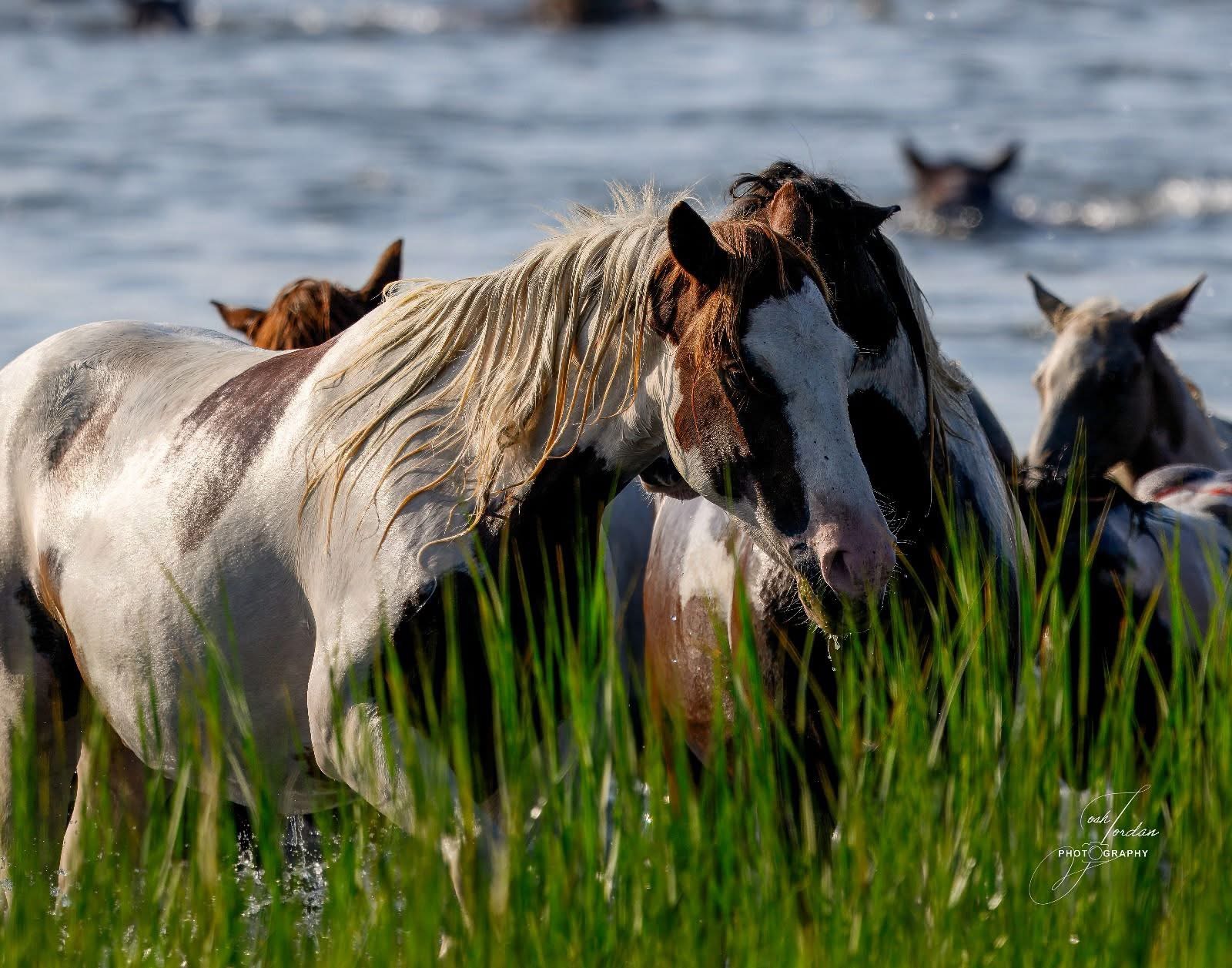
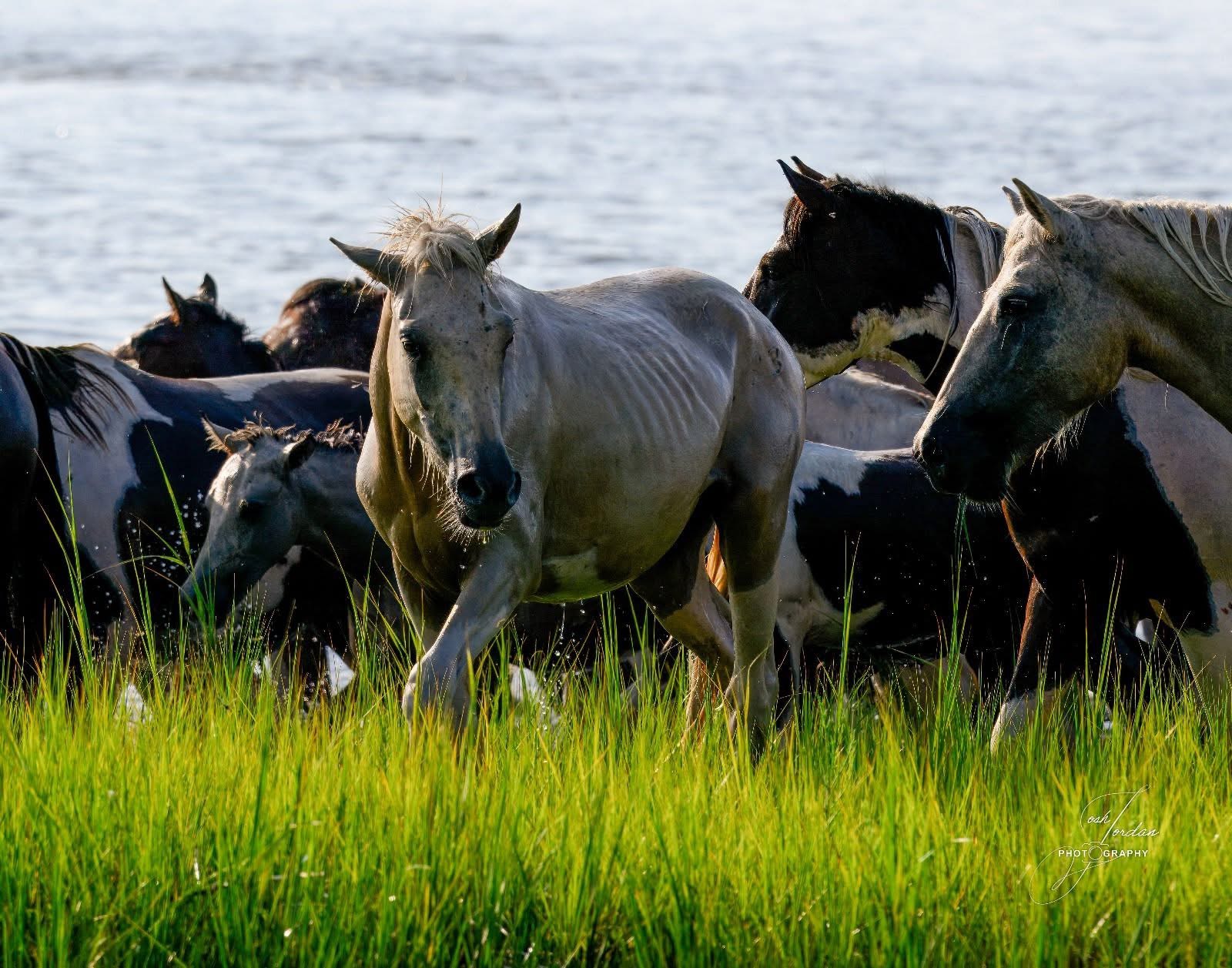
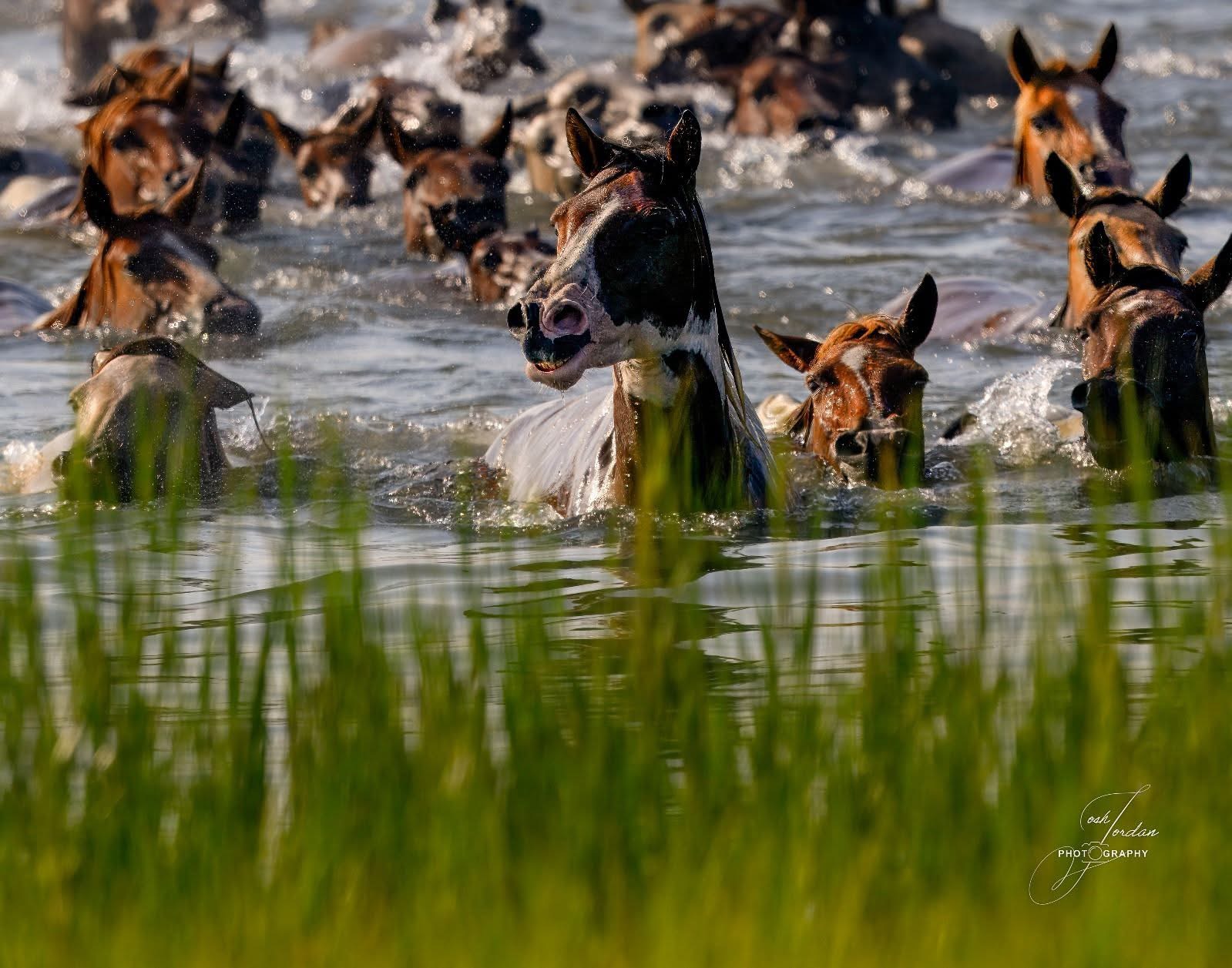
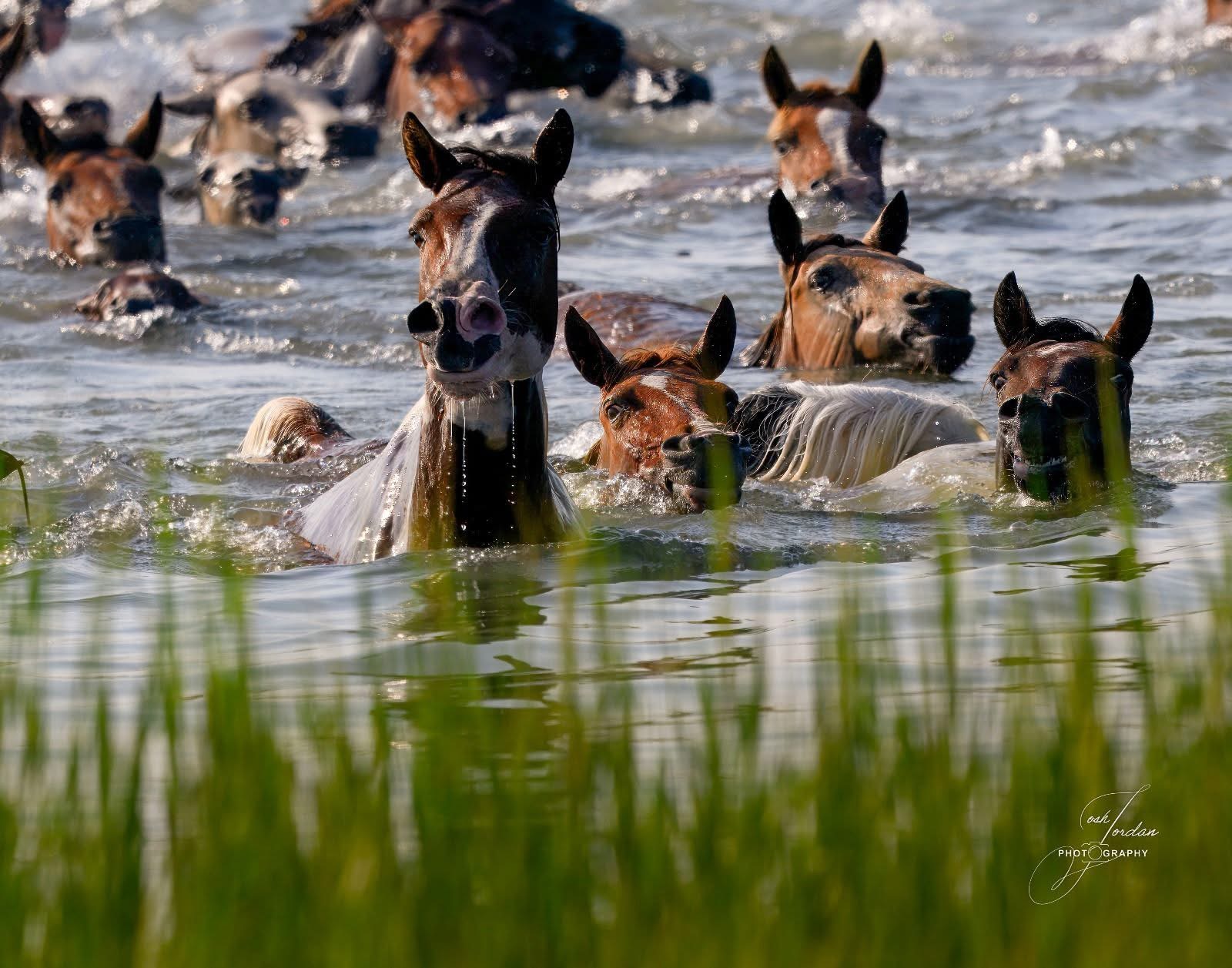
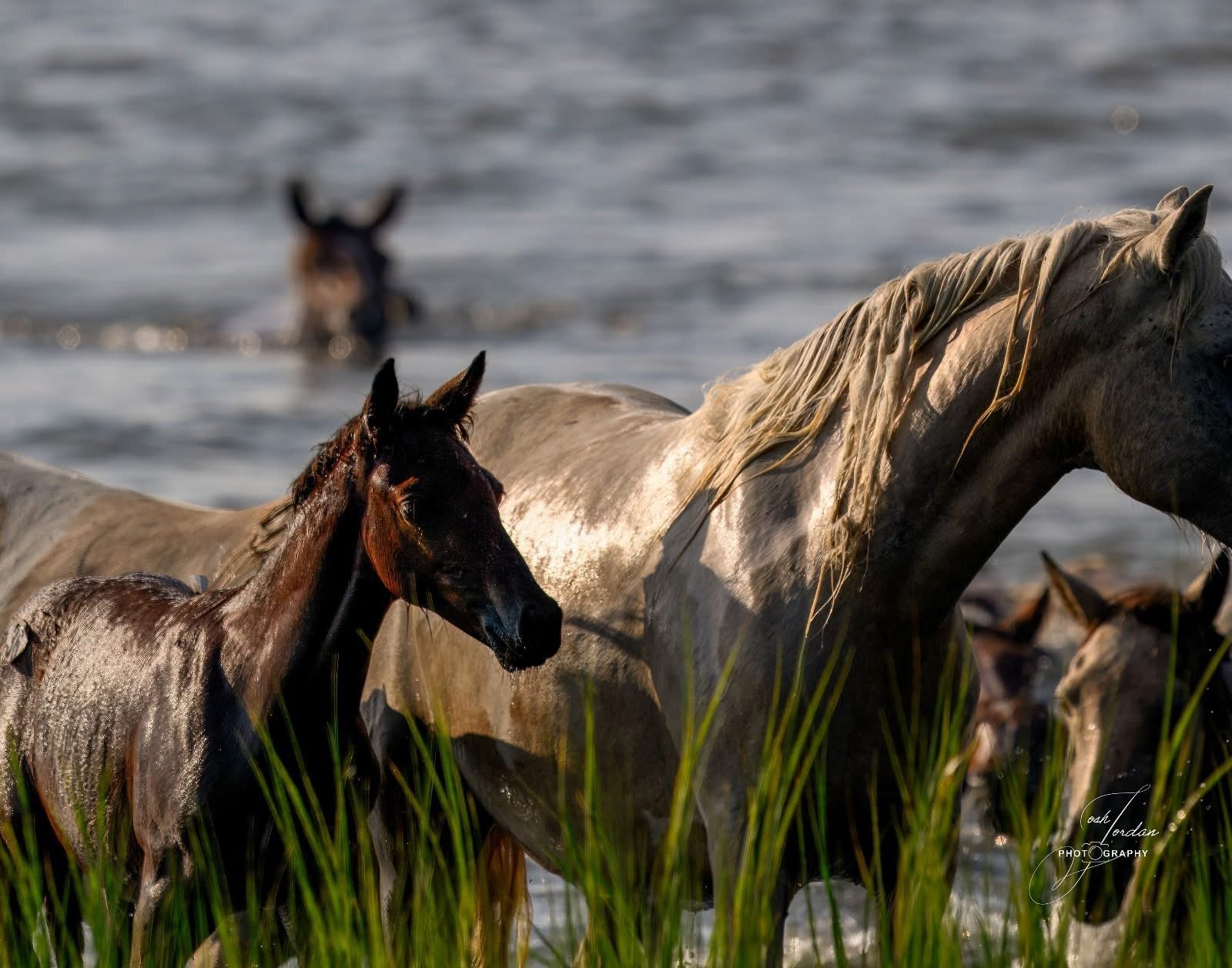
Special thanks to Josh Jordan photography and Captain John photography for their contributions. Great pictures of the ponies!


Spanish Shipwrecks

The two Spanish ships that wrecked off the coast of Assateague and Chincoteague Islands—La Galga (1750)and The Juno (1802)—were sovereign warships belonging to the Spanish Royal Navy. La Galga, a 50-gun frigate, departed Havana, Cuba, as a military convoy escort before being driven off course by a brutal hurricane near Bermuda. On September 5, 1750, the battered ship ran aground right across the Maryland-Virginia border. Fortunately, most of the crew and passengers made it safely to the barrier island, though the remaining hull and equipment were quickly looted by coastal locals and buried under the shifting sands by subsequent storms. In contrast, the sinking of The Juno in October 1802 resulted in one of the most devastating maritime disasters in the region’s history. The 34-gun frigate was sailing from Mexico to Spain, packed with over 413 people, including government officials and the soldiers and families of the Spanish Regiment. Crippled by severe autumn storms, the leaking vessel limped up the American coastline while the crew desperately fought the rising water. An American schooner attempted a high-seas rescue, but a sudden, violent squall struck on October 28, causing The Juno to rapidly founder and sink just miles off Assateague, drowning more than 400 men, women, and children. For nearly two centuries, both shipwrecks lay forgotten until a commercial salvage company located them in the late 20th century, sparking a landmark international legal battle. The Kingdom of Spain sued for ownership, arguing that under international maritime law, sovereign warships are never abandoned unless explicitly stated by their home nation. A U.S. Federal Appeals Court ultimately ruled in favor of Spain, blocking commercial treasure hunting; today, recovered artifacts like centuries-old Spanish coins are legally preserved and displayed at the Assateague Island National Seashore Visitor Center.
Ponies Landed on Assateague

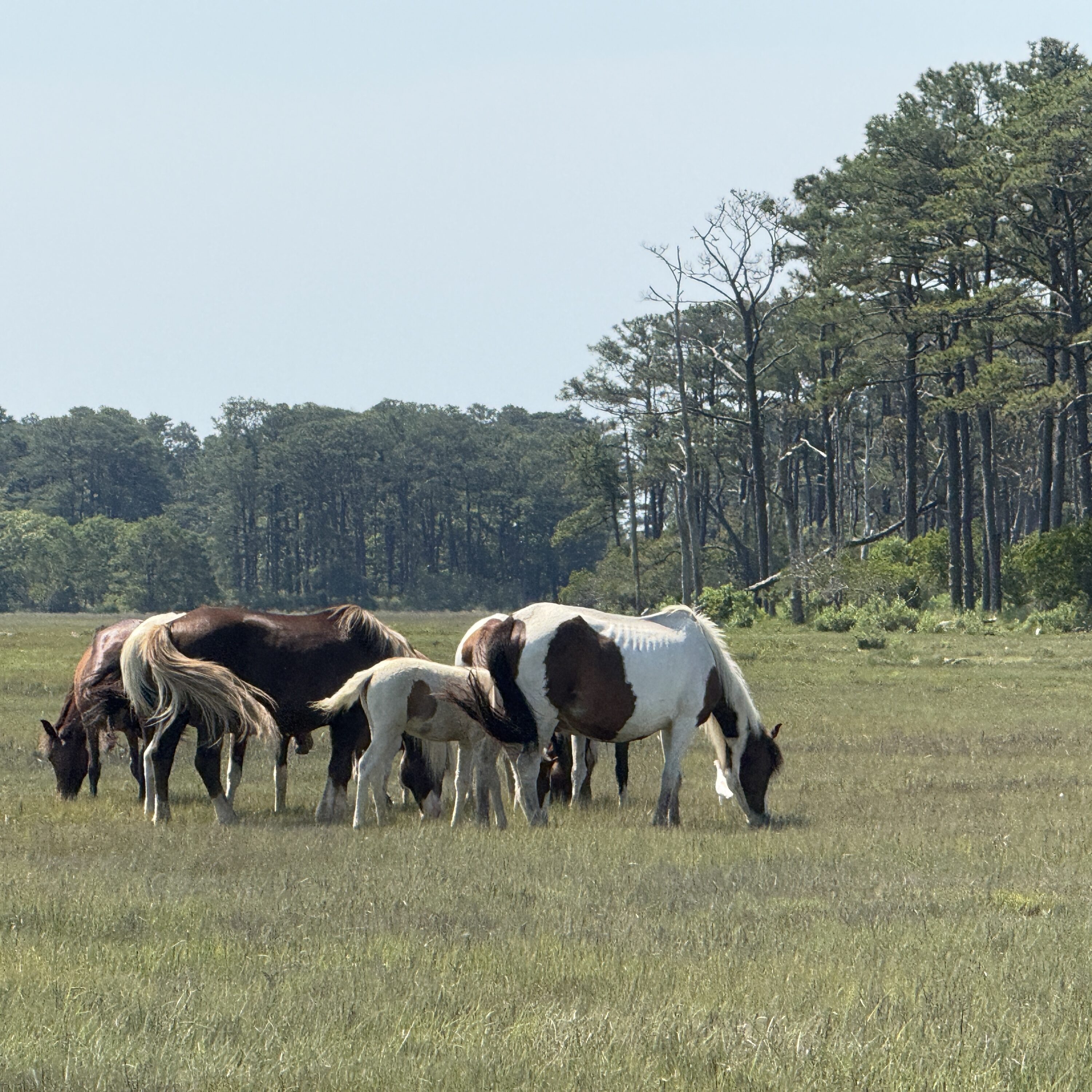
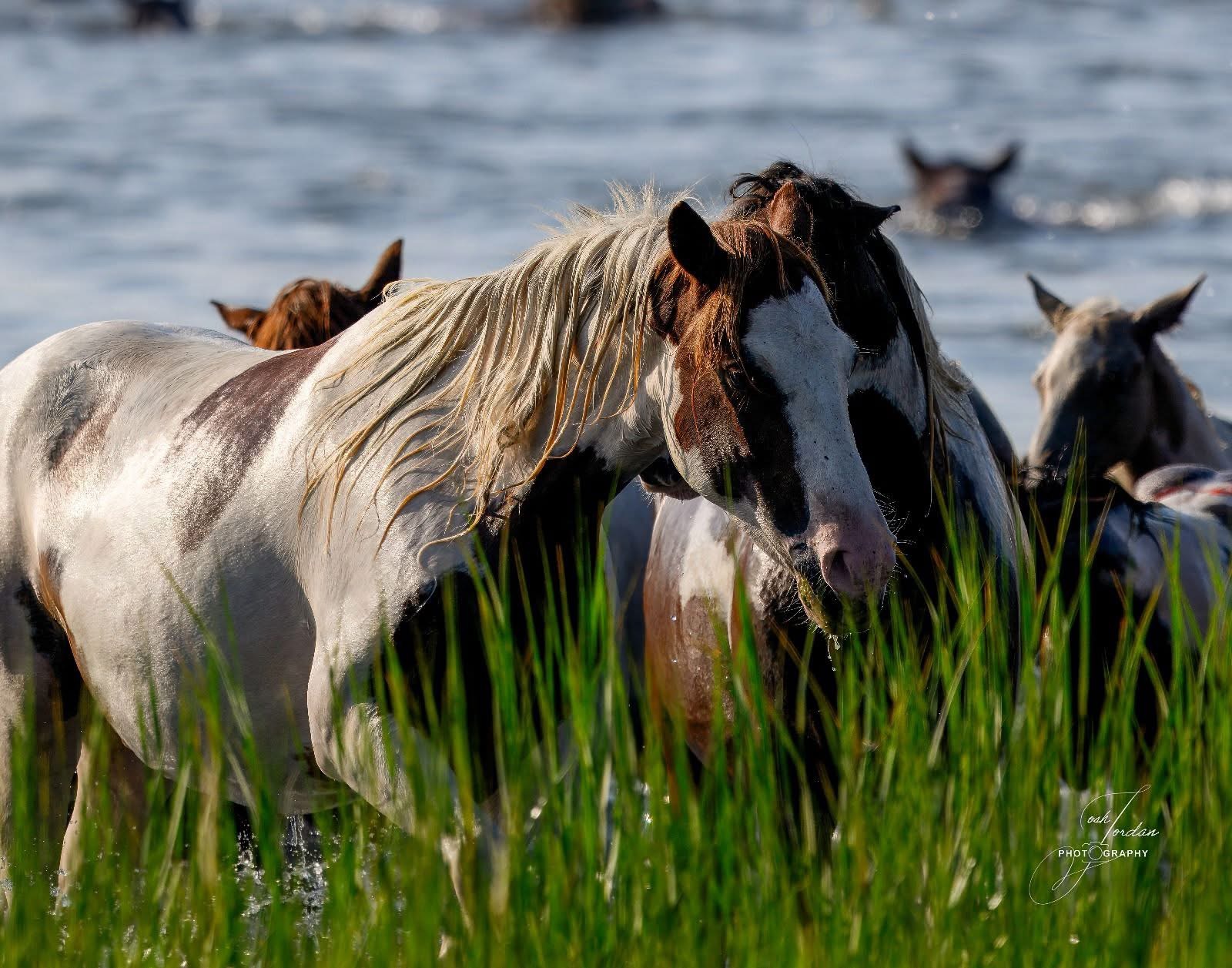
The wild ponies of Assateague Island trace their origins to a dramatic maritime survival story when a 16th-century Spanish galleon transporting colonial horses encountered a catastrophic storm and wrecked on the outer sandbars of the Atlantic coast. As the wooden ship was battered apart by the surf, the surviving horses broke free and instinctively swam through the turbulent ocean waters to reach the safety of the barrier island’s shore. Left entirely to themselves on this isolated strip of land, these resilient animals adapted to a harsh, nutrient-poor diet of saltmarsh cordgrass, laying the genetic and historical foundation for the famous feral herds that still roam the island today.


Ponies Saved by Locals

The historic compromise between the Chincoteague Volunteer Fire Company and the federal government was born out of a legal crisis in 1943. When the federal government established the Chincoteague National Wildlife Refuge on Assateague Island, strict regulations under the Migratory Bird Conservation Act banned privately owned livestock to protect fragile waterfowl habitats. The government ordered the immediate and permanent removal of the entire herd. Recognizing that losing the ponies would destroy the town’s heritage and tourism, the local firemen stepped in and successfully negotiated a historic Special Use Permit with the U.S. Fish and Wildlife Service in 1947. The core of this legally binding agreement revolves around a strict population cap to prevent environmental destruction. The government permits the fire company to graze their community herd on federal land, but mandates that the population can never exceed 150 adult ponies at any given time. This restriction ensures that the horses do not overgraze the salt marshes or decimate the food supply of protected migratory birds. Consequently, the famous annual Pony Swim and Auction is actually a regulatory mechanism required by the federal government; the fire company must sell off the year’s excess foals each July to naturally bring the herd back down to its legal limit. Under the final terms of the deal, the firemen must also manage the herd’s physical boundaries and absorb all financial responsibility for their care. Furthermore, while the government provides the land, the fire company covers 100% of the cost and labor for the herd’s welfare, which includes funding year-round veterinary care, life-saving vaccinations, and emergency food and water during severe droughts or winter storms.

Pony Swim

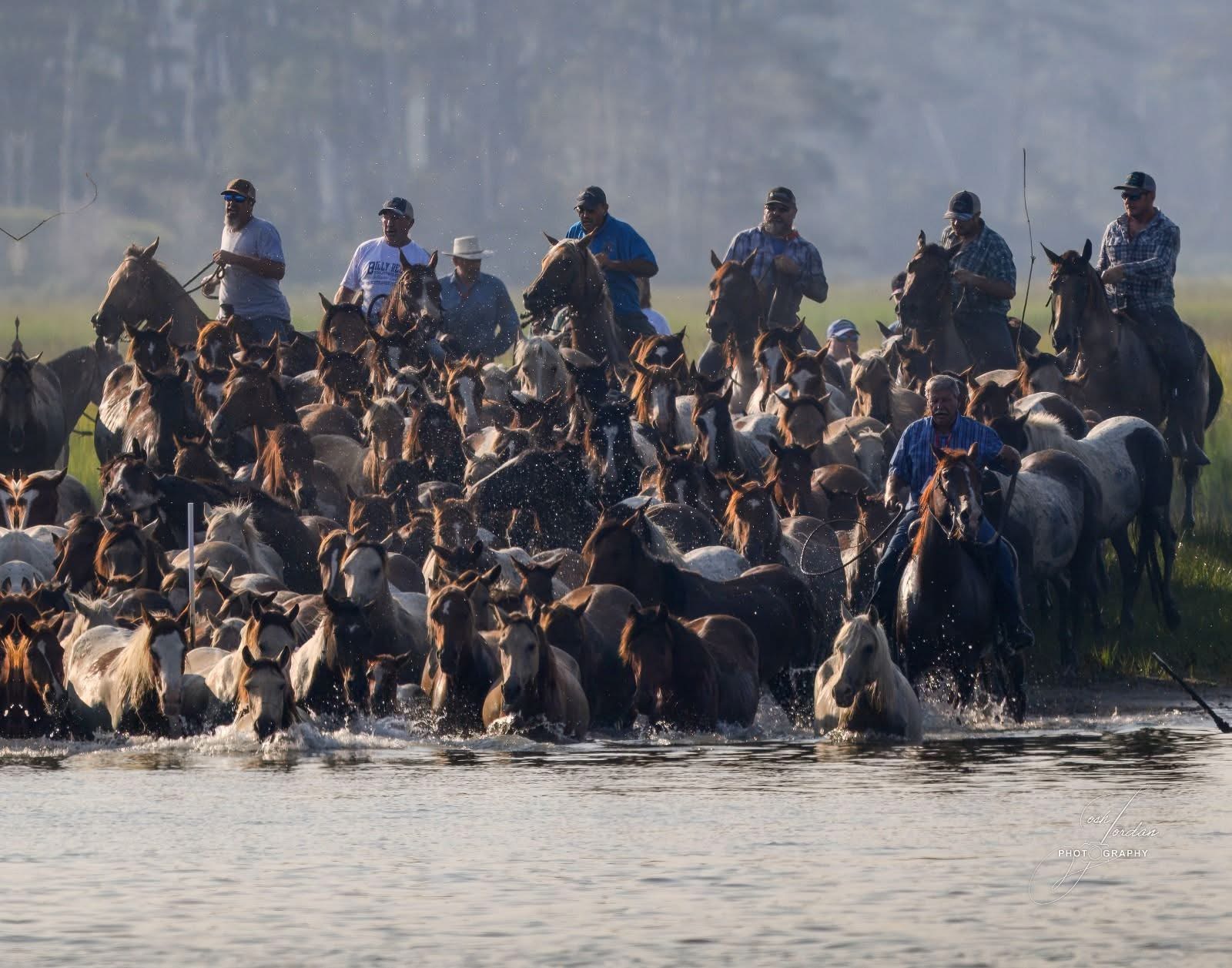
The annual Chincoteague Pony Swim is a world-famous tradition held on the last consecutive Wednesday of July, where the “Saltwater Cowboys” of the Chincoteague Volunteer Fire Company herd approximately 150 wild horses across the Assateague Channel. After rounding up the ponies on Assateague Island and conducting thorough veterinary checks, the cowboys guide the herd into the water during “slack tide”—a brief window of calm water that ensures young foals can safely swim the 100-to-200-yard crossing alongside their mothers without facing dangerous currents. Tens of thousands of spectators line the shores and fill boats to watch the spectacular three-to-five-minute swim, after which the ponies rest briefly before parading down the town’s closed streets to the Chincoteague Fireman’s Carnival Grounds for public viewing and the subsequent foal auction.


The Best Way To See The Wild Chincoteague Ponies In Their Natural Habitat

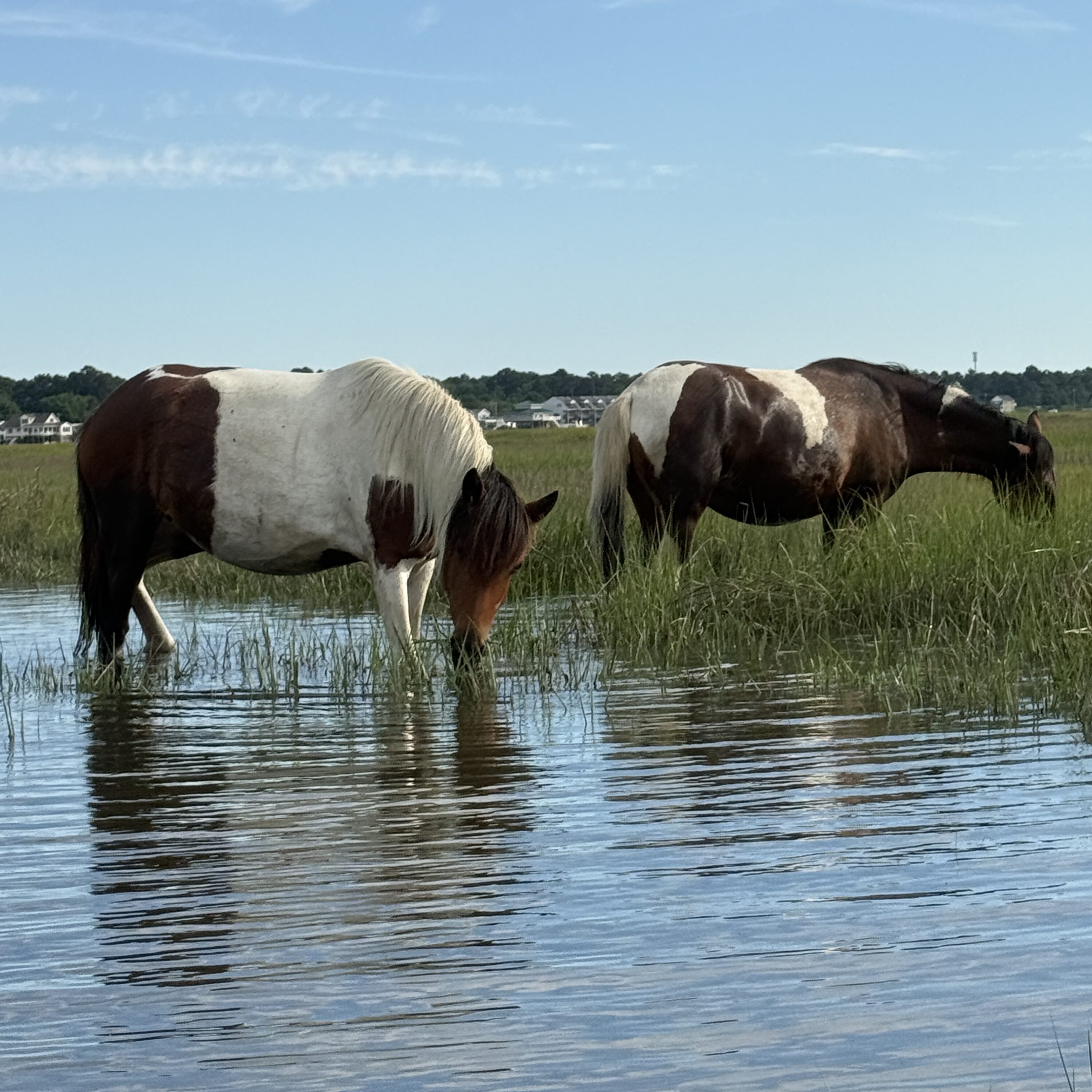
If your main goal is to see the Chincoteague Wild Ponies in their natural habitat then a nature tour would be your best choice. One of the best tour guides on Chincoteague island is Captain John from Snug Harbor Marina. He will take you on a grand expedition to find the elusive Chincoteague ponies. He has been navigating these waterways for over 50 years and nobody knows the islands better. His ancestors were some of the first settlers on Chincoteague island and Captain John knows all the local history of Chincoteague and Assateague and of course the Spanish shipwrecks that brought the ponies to the islands hundreds of years ago. If you are looking for a once in a lifetime adventure you must call Captain John.


Misty of Chincoteague

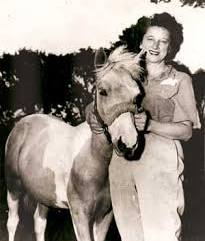
Misty of Chincoteague was a real-life palomino pinto filly born on July 20, 1946, at the Beebe Ranch, whose unique map-like marking on her side caught the attention of children’s author Marguerite Henry during that year’s Pony Penning event. Purchased for $150, the gentle filly became the star of Henry’s 1947 Newbery Honor-winning novel Misty of Chincoteague, transforming the horse and the small island into global cultural icons. After living for a decade with Henry in Illinois to make appearances for young fans, Misty returned to Chincoteague in 1957, where she was immortalized with hoofprints in cement at the premiere of her 1961 Hollywood film and became a local hero by surviving the devastating 1962 Ash Wednesday Nor’easter inside the Beebe family’s kitchen while heavily pregnant. Following her passing in 1972 at age 26, Misty was professionally taxidermied and remains on public display at the Museum of Chincoteague Island, securing her legacy as the world’s most famous pony.


When booking your Chincoteague vacation check out the premier travel guide Chincoteague.com.


Click here to plan your vacation!