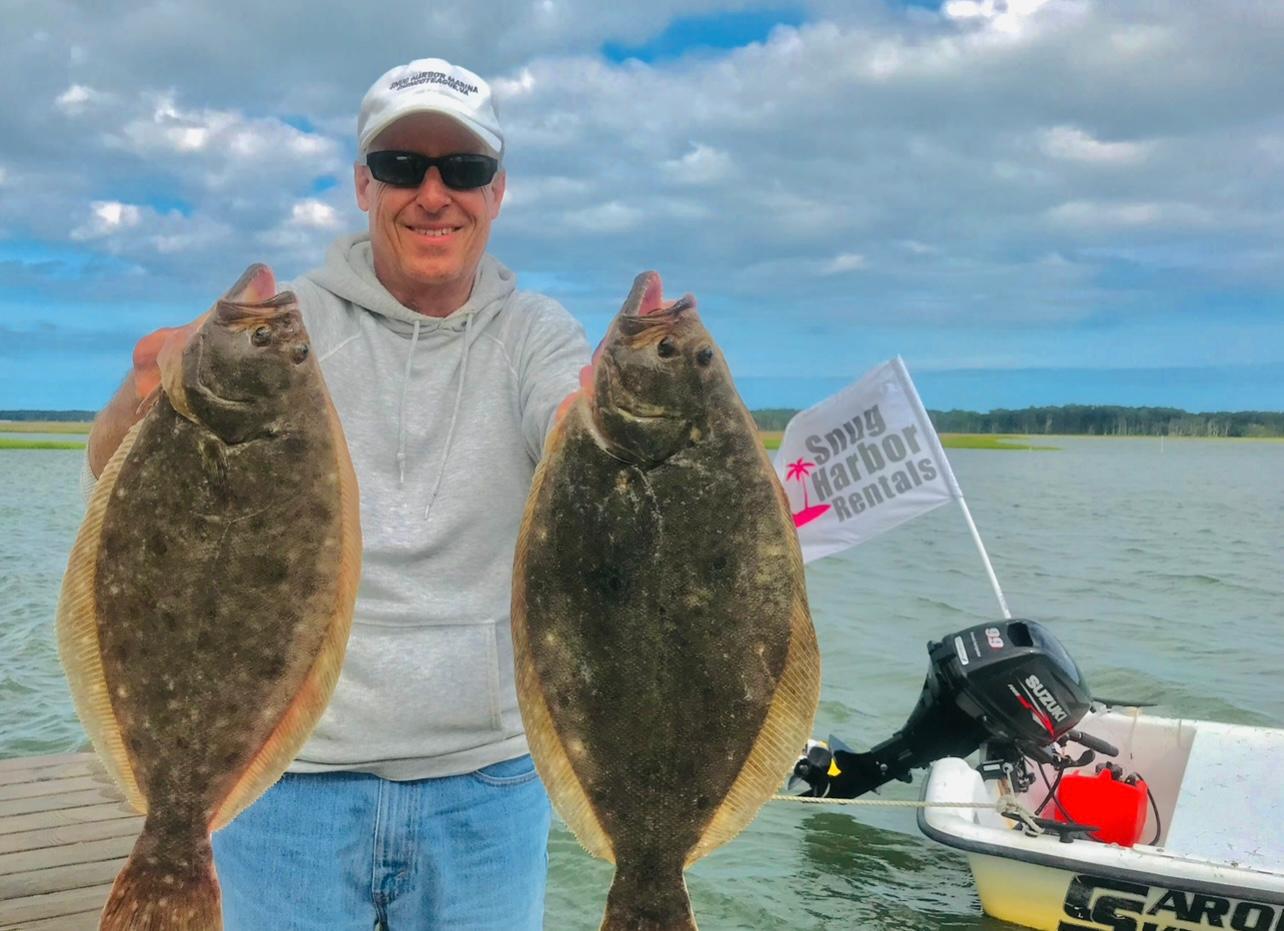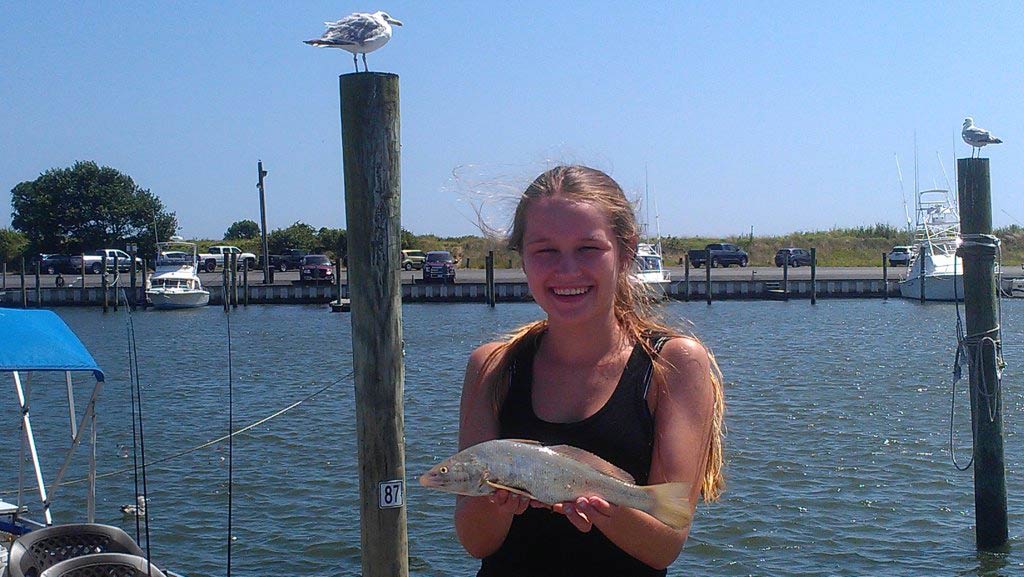
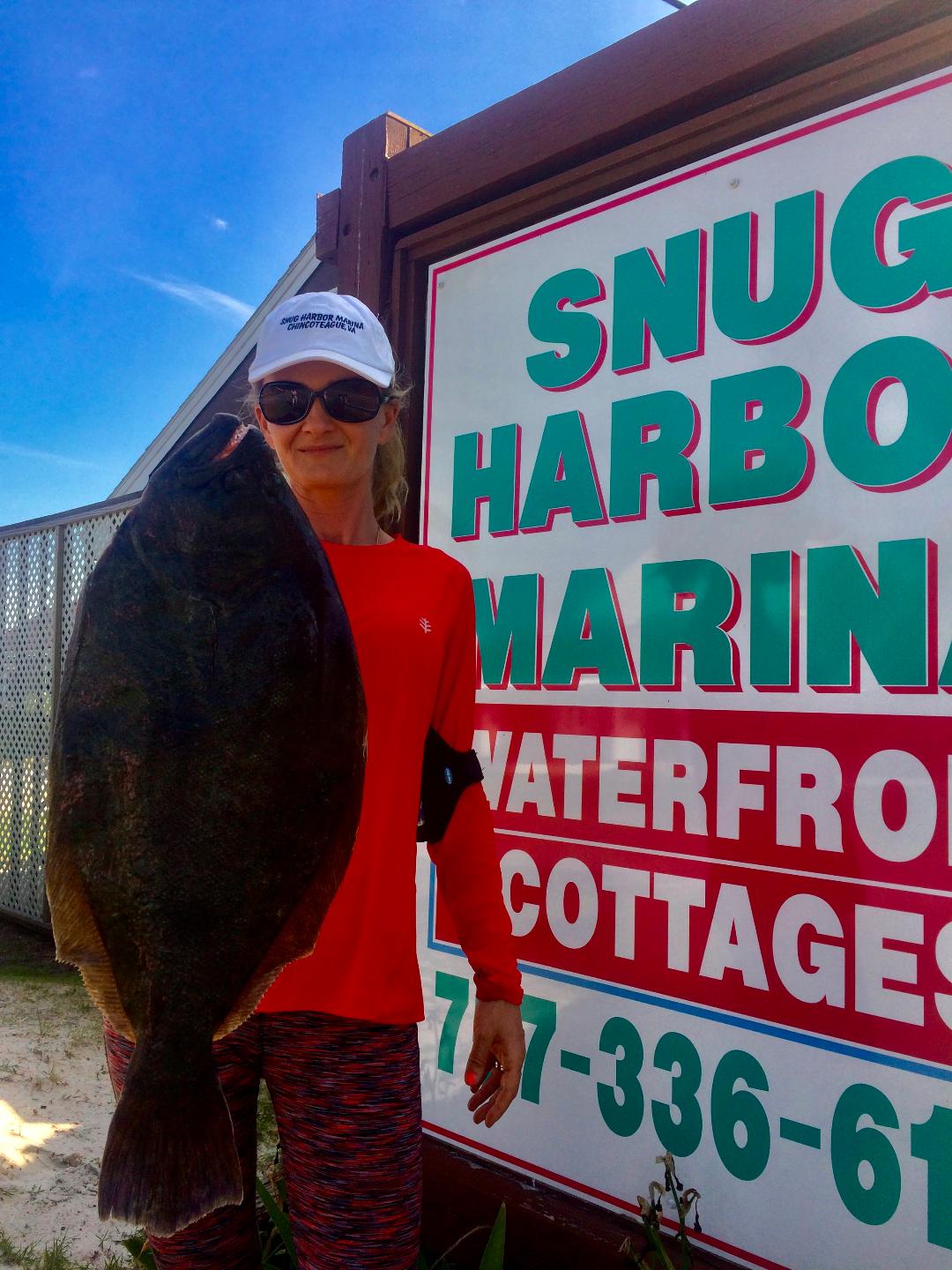
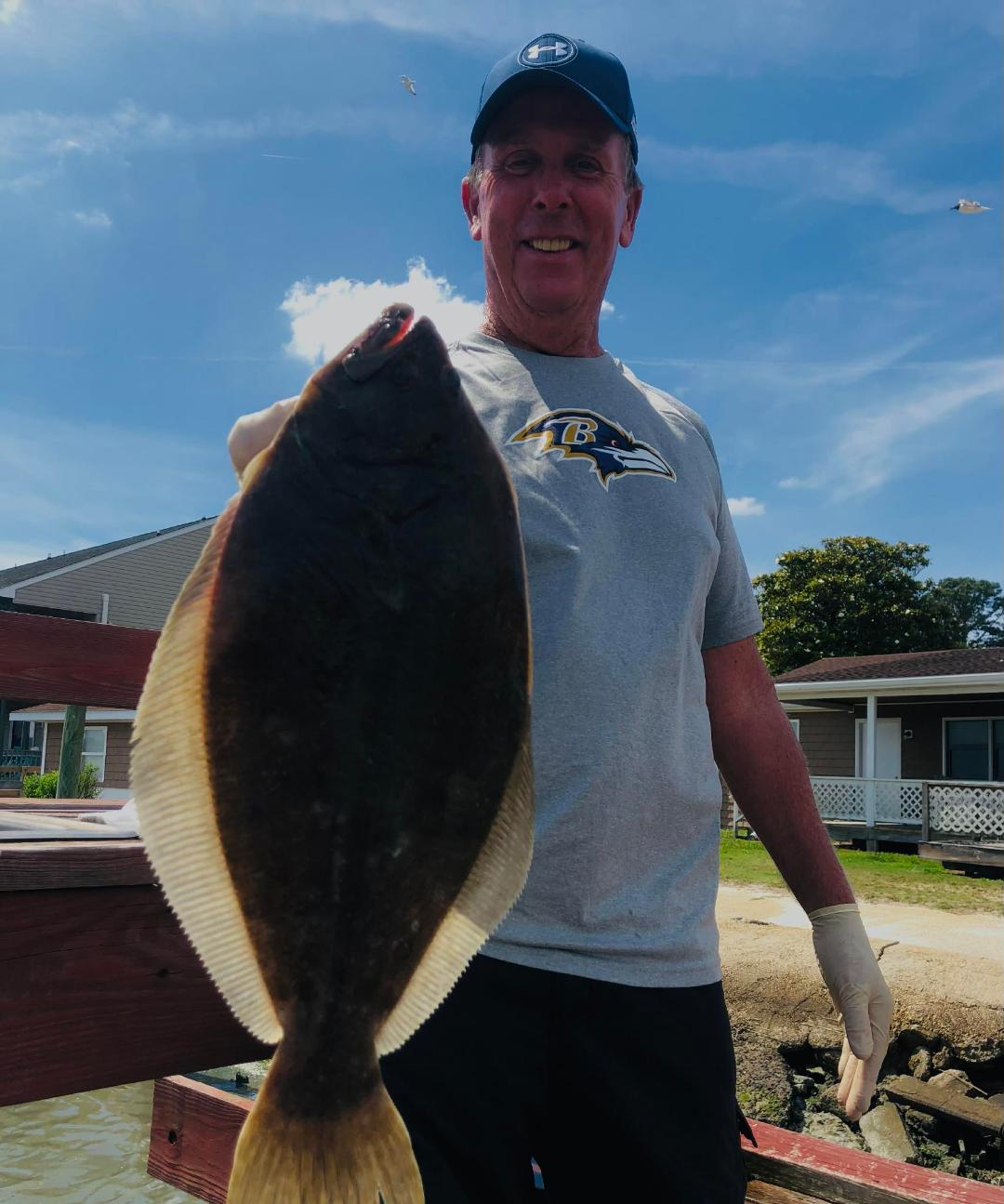
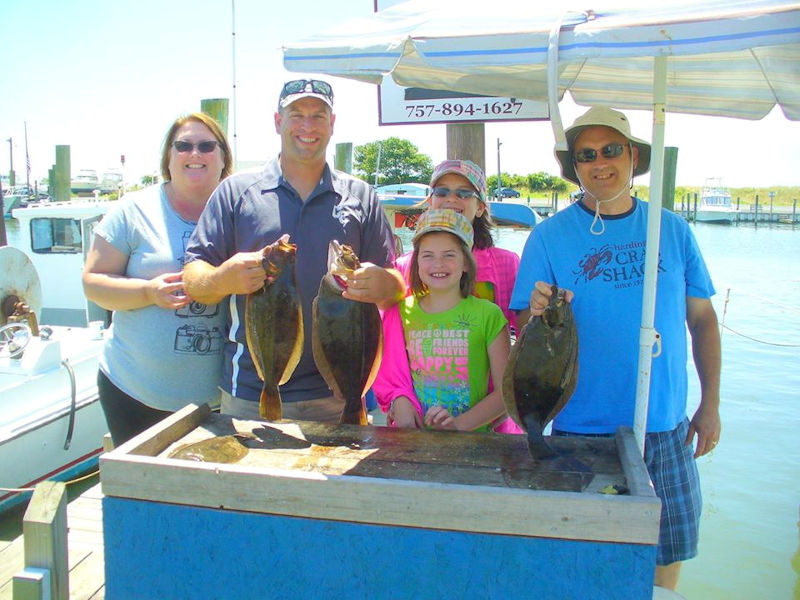
Chincoteague Island Flounder Capital of the world
Here is why that title stuck:
The Perfect Geographic “Funnel”
Chincoteague is nestled between the mainland and the barrier island of Assateague. The narrow channels and expansive tidal flats of the Chincoteague Bay and Assateague Channel create a perfect environment for summer flounder. These areas act as a natural nursery and feeding ground, concentrating the fish in accessible areas where they are easier for anglers to find compared to the open ocean.
Ideal Habitat and Food Supply
Flounder are “lie-in-wait” predators that prefer sandy or muddy bottoms where they can camouflage themselves. The back bays of Chincoteague are rich in:
-
Silversides and Minnows: Dense schools provide constant forage.
-
Blue Crabs: Young crabs are a staple of a large flounder’s diet.
-
Tidal Flow: The strong currents moving through the inlets keep the water oxygenated and constantly “deliver” baitfish to the flounder waiting in the deep holes.
A Century of Fishing Heritage
The title isn’t just a modern marketing slogan; it’s rooted in history. In the early 20th century, Chincoteague was a massive commercial and recreational hub for flounder. The local culture evolved around the spring arrival of these fish, and the island developed a specialized fleet of guides who mastered the art of “drifting” the channels—a technique that remains the gold standard for catching flounder today.
High Success Rates
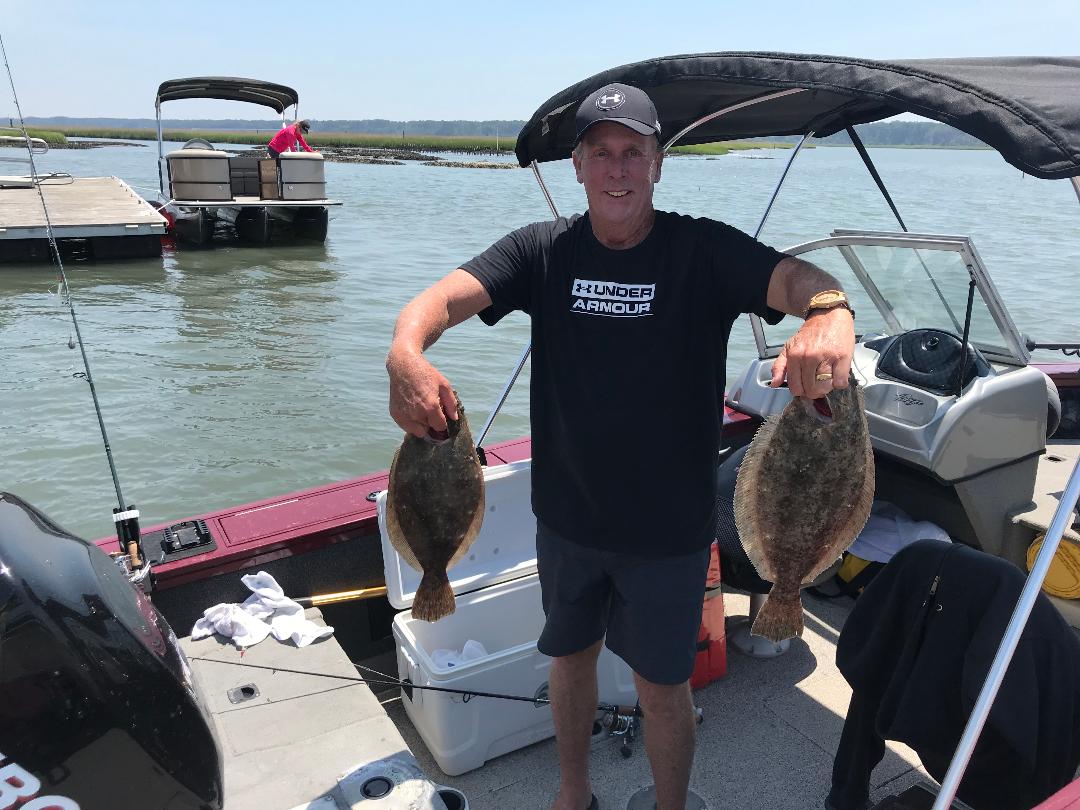
While many places have flounder, Chincoteague is famous for consistency. On a good day in late spring or early summer, it is common for a single boat to see dozens of “throwbacks” (undersized fish) alongside several “keepers.” The sheer volume of fish moving through the inlets during the spring migration is what solidified the island’s status as a global hotspot for the species.